


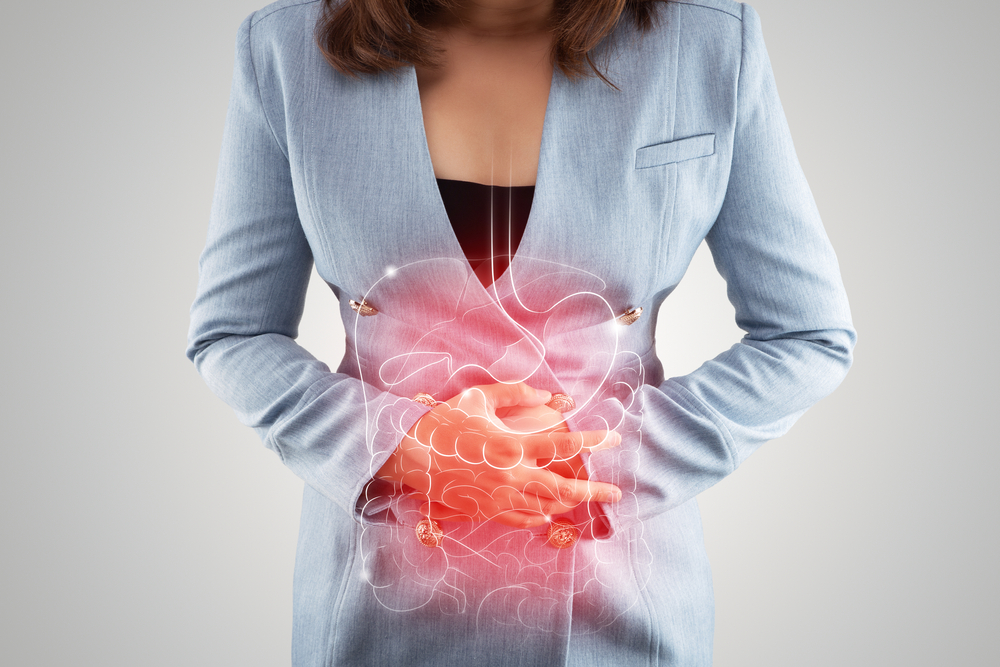
The most common reason for patients to visit gastroenterology clinics is functional disorders of the upper and lower parts of the digestive tract.
The most common reason for patients to come to gastroenterology clinics is functional disorders of the digestive tract, which can be at the level of the upper parts – the esophagus, stomach and small intestine, as well as at the level of the lower part – the large intestine.
Basically, these are harmless disorders, but they can create persistent complaints and disrupt normal functioning. The division of functional disorders is complex, because every organ in the abdomen can have a dysfunction, but the most common functional disorders are at the level of the large intestine – irritable bowel, because it is considered that every fifth person has this problem in the form of flatulence, gas in the abdomen, diarrhea, but imprisonment due to functional disorders that can significantly disrupt productivity at work and the quality of work.
From the gastroenterologist’s point of view, an assessment should be made as to what type of blood and stool laboratory tests, as well as endoscopic tests, are needed for each patient, individually. When we make a diagnosis of a functional disorder, we must first convince the patient that it is not a serious disorder and gain their trust.
Irritable bowel syndrome or irritable bowel syndrome (IBS) is a set of symptoms characterized by abdominal pain and changes in stool consistency and is a functional gastrointestinal disorder at the level of the large intestine. The large intestine is full of nerve endings and neurotransmitters and it is said that there is a disturbance at the level of the gut-brain axis. In the case of irritable bowel, the large intestine appears to be healthy and there is no organic disease that would threaten the patient’s life, but it can significantly affect the quality of life.
In the first place, you should pay attention to alarm symptoms. Alarming symptoms include blood in the stool, anemia (ida iron deficiency anemia), weight loss, family history of colon cancer, nocturnal symptoms, and the onset of symptoms after age 50. as already stated, there are no known biomarkers for ibs, so the diagnosis is based on the patient’s statements about his symptoms, a complete medical history, and an examination, which is usually supplemented by the use of laboratory and endoscopic diagnostics.
Certainly, we can say that irritable bowel is a disease of modern times, where the daily “fast” lifestyle with an enormous impact of stress has the greatest influence.
The most common symptoms are bloating and gas, which occur in more than 50% of IBS patients. The presence of chronic pain and cramps in the lower abdomen is also dominant. The pain is difficult to localize in one place, so it usually “walks” in the stomach, and most often it can be provoked by a certain meal, and it is definitely alleviated after having a bowel movement, and this is a sure characteristic of this syndrome.
Colon emptying habits also change, which can be manifested by constipation, diarrhea or a combination of both symptoms, so we have three types of irritable bowel. In addition to flatulence, cramps and stomach pain, symptoms of irritable bowel include mild nausea and heartburn, indigestion, a feeling of heaviness in the stomach (stone) as well as frequent belching and audible and uncontrollable bowel spasms. Sometimes frequent urination and nervousness are also added. An important moment is that these patients do not have nighttime complaints, and that the complaints occur to the greatest extent in the morning hours when they wake up.
These symptoms are characteristic of irritable bowel, but the patient does not have to have all these listed symptoms, he can have only one symptom, and the most common is flatulence.
Stress is also one of the main triggers that aggravate irritable bowel syndrome. We all know that in stressful situations, the stomach reacts first. It occurs primarily in people who have visceral hypersensitivity and intestinal barrier dysfunction. Nervousness, anxiety and uncertainty very often lead to cramps, bloating, gas and irregular bowel movements.
The intestinal system is permeated along its entire length with more than 100 million nerve cells with a structure similar to brain cells. The same neurotransmitters that exist in the brain (serotonin, dopamine) are also present in the digestive organs. Therefore irritable bowel syndrome usually manifests itself or worsens during or after a period of stress and emotional tension.
Additionally, certain foods are a common trigger for irritable bowel symptoms to worsen. Eg wheat, dairy products, legumes, citrus fruits, beans, cabbage and consumption of alcohol and carbonated drinks.
The first recommendation in the treatment of irritable bowel syndrome is certainly a hygienic and dietary regime, because in order to keep our intestines healthy, lifestyle habits are the main strategies. It is advised to:
It is best to keep a journal and find out what is bothering you. If you decide that certain foods or drinks do not please you, you should avoid them.
Since irritable bowel syndrome is a set of symptoms that occurs as a consequence of a functional disorder of the digestive tract, we should primarily act on the cause, and not only on the (consequence) of the symptoms. The dominant problem should be defined and adequately treated.
Patients should be listened to!