Telemedicine - The future of treatment
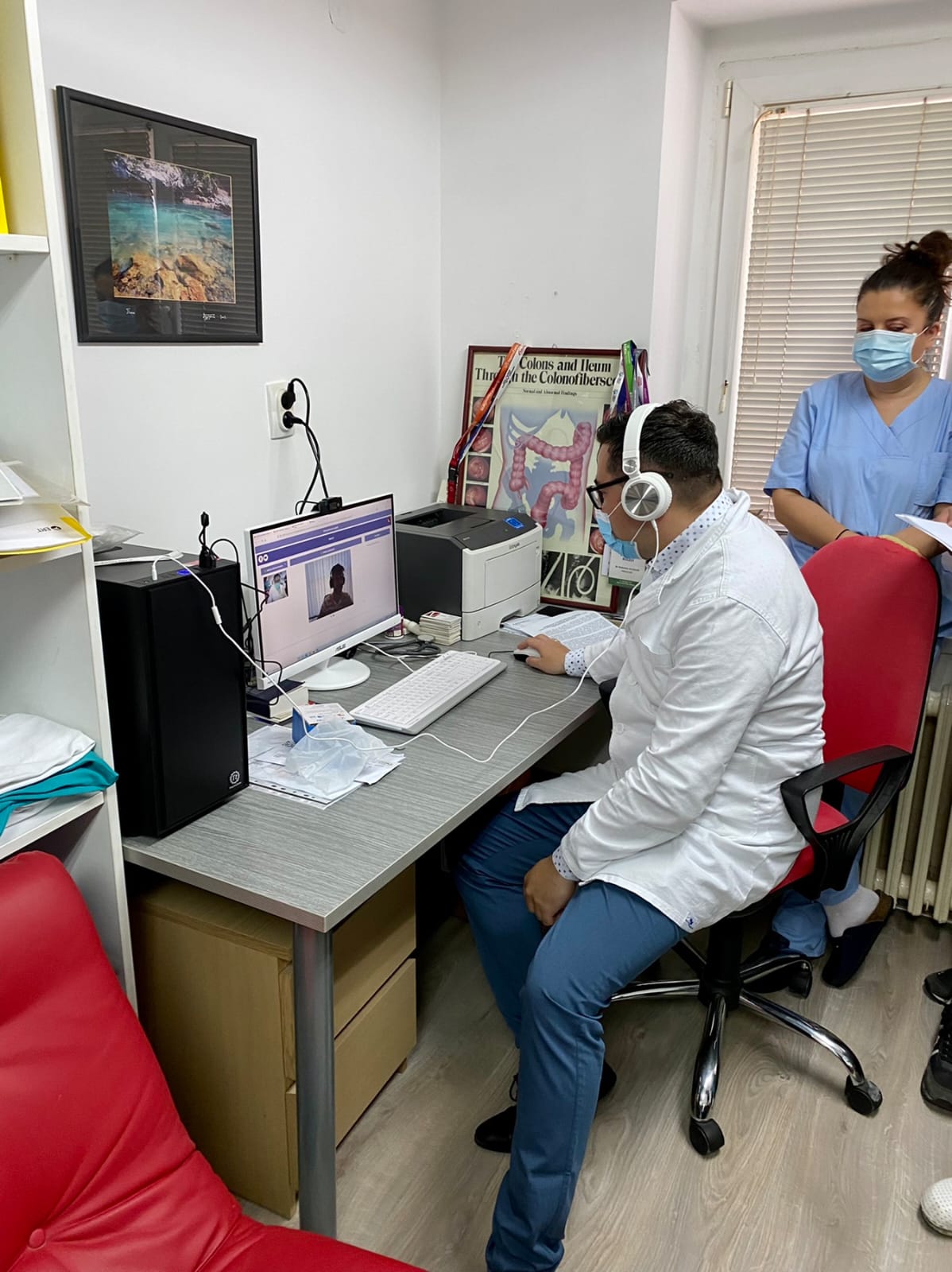
Docent Srđan Marković participated in the introduction of telemedicine services in the IBD Center of KBC “Zvezdara”. Telemedicine has gained importance during the covid pandemic. Patients often need advice regarding regular lifestyle habits, the need for diagnostics, advice regarding nutrition in relation to the disease, control laboratory analyses, treatment planning.
An assessment of the prescribed therapy is required when it is not necessary for the patient to come to the Clinic, but the doctor can be consulted via telemedicine in order to receive advice for further treatment. Especially at a time when hospitals were becoming Covid-hospitals for a certain period of time, then the telemedicine examination gained even more importance.
Patients with inflammatory bowel diseases always need additional advice regarding the above-mentioned situations, given that they are chronic and lifelong diseases and affect the largest percentage of the young, able-bodied population. Telemedicine is a segment of the puzzle in the diagnosis, monitoring, management, and treatment of these patients, which completes the services of an IBD Center. In regular circumstances, we are at the service of our patients by phone, IBD nurses, but in the time of the pandemic, as I have already mentioned, telemedicine gains even more importance, it affects that we are even more accessible to patients, without sometimes unnecessary visits to the clinic.
KBC Zvezdara has decades of experience in the treatment of inflammatory bowel diseases (Crohn’s disease and ulcerative colitis), we try to successfully continue the tradition and improve treatment. We are available to our patients and for years we have been providing this type of service to our patients, who send their findings via e-mail or viber. In these moments, when this type of examination can be recognized by the Ministry of Health and RFZO and carried out through the Helijant platform, the story is complete.
Examinations have been performed in this way at the IBD Center “KBC Zvezdara” since August 2021. Based on the telemedicine examinations so far, there were no technical problems, the connection with the patient was successfully established, the generated reports were sent to the patients’ e-mail addresses, and control examinations were scheduled at the outpatient clinic. what telemedicine on the platform. It is up to all of us to continue to improve in this sense.
Telemedicine in the world
In the United States, telemedicine companies are partnering with health insurers and other telemedicine providers to expand market share.
As of 2019, 95% of employers believe that their companies will continue to provide telemedicine services and that the benefits of this type of healthcare provision will be visible in the next five years. The COVID-19 pandemic has led to increased use of telehealth services in the US.
The US Centers for Disease Control and Prevention reported a 154% increase in telehealth visits during the last week of March 2020 compared to the same dates in 2019.
Impressions of our patients
Patient feedback is really great. Many of them are not from Belgrade, and it is most suitable for them to carry out the following inspections in this way. The greatest importance and relief are that patients avoid coming to the Health Care Facility in order to receive advice for further treatment, interpret the findings, and schedule additional diagnostics.
Patients to whom it was suggested that the control examination be performed in this way are surprised at the first moment, and they understand this in the first place as progress in the provision of health services, there are no doubts, no fears, but they easily accept it.
My impressions
Doctors who deal with the problem of inflammatory bowel diseases absolutely understand the need that this way of providing services should be implemented in the future. And I know that doctors have been providing this type of assistance to patients for years through emails, e-communications tools, so I don’t see a problem in accepting this type of service provision by doctors.
It is up to doctors to recognize the situation when this type of examination is applicable and when the patient should be spared an unnecessary visit to a health facility.
When it comes to patients with inflammatory diseases, the peak of the disease is around the age of 30. These patients have e-mail addresses, most of them are active on e-communication networks. It is true that there are patients who do not have e-mail addresses, internet connection, and this type of service cannot be offered to this group of patients. In order to perform this type of examination, the patient needs to have an active e-mail address, where the link to connect to the video call with the selected doctor arrives.
In the media about Telemedicine
Dr. Srđan Marković – interview for CORD magazine – Treatment at a distance, but the doctor is never closer!
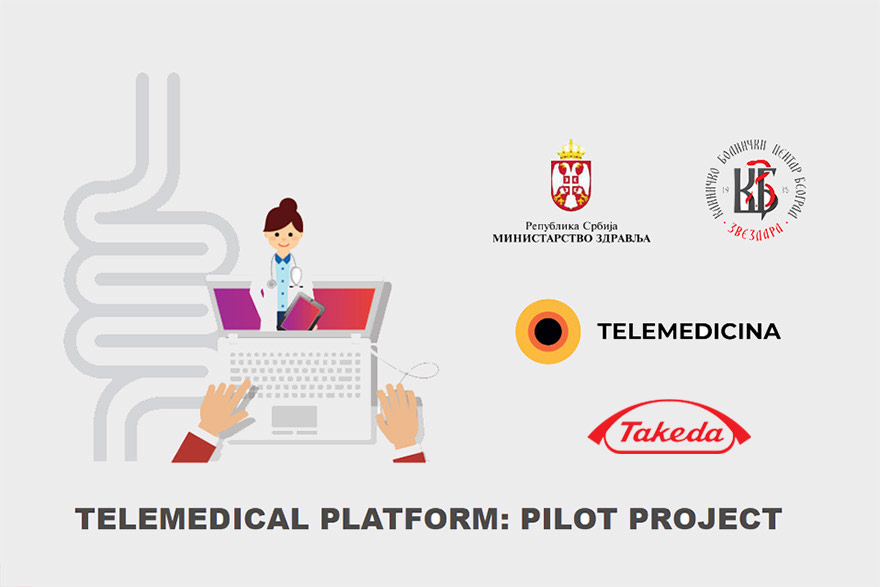
The “Telemedicine” project is the first digital consultation center for patients in the history of Serbian healthcare, developed by the company “Heliant”, with the support of the Japanese pharmaceutical company “Takeda”.
The “Telemedicine” project is the first digital consultation center for patients in the history of Serbian healthcare, developed by the company “Heliant”, with the support of the Japanese pharmaceutical company “Takeda”.
Currently, this type of treatment is available only to patients suffering from Crohn’s disease and ulcerative colitis who are being treated at KBC Zvezdara at the Department of Gastroenterology and Hepatology.
The rapid development of modern means of communication and the Internet has also led to the development of telemedicine, which includes consultations via e-mail and applications, virtual examinations of patients and virtual examinations of documentation, holding consiliums… Telemedicine is widely represented in all developed countries of the world, especially in the USA, where for example, the Centers for Disease Control and Prevention reported a 154% increase in telehealth visits during each day of the last week of March 2020 compared to the same dates in 2019.
In Serbia, before the start of the pandemic caused by the covid 19 virus, interest in telemedicine was minimal, and then it increased during the crisis, because there was a need to provide patients with appropriate care and assistance, while protecting them from infection.
The „Telemedicine” project is the first digital consultation center for patients in the history of Serbian healthcare, developed by the company “Heliant”, with the support of the Japanese pharmaceutical company “Takeda” , the IT and electronic administration office of the Government of the Republic of Serbia and the Ministry of Health of the Republic of Serbia. “Telemedicine“ enables examinations by a specialist doctor, whenever he deems it possible, to be carried out online, via video call, regardless of where the patient is.
The project is implemented at KBC Zvezdara in the Department of Gastroenterology and Hepatology, and how it looks in practice is witnessed by asst. Dr. Sci. honey Srđan Marković, specialist in internal medicine and gastroenterologist. After the successful implementation of the pilot project, it is planned to implement digital remote treatment at the national level.
“Even during a pandemic, patients need examinations, diagnostics, comments on control laboratory analyses, advice on lifestyle or diet, and a treatment plan. In order to evaluate the prescribed therapy, it is often not necessary for patients to come to the clinic, because they can consult with the doctor via telemedicine. The importance of telemedicine became especially important during the pandemic when it was practically impossible to reach a doctor because the hospitals were in the covid system“, explains Dr. Marković.
He, as a specialist in internal medicine and gastroenterology, points out that, for example, patients with inflammatory bowel diseases, with Crohn’s disease and ulcerative colitis, always need additional advice because they suffer from chronic and lifelong diseases that, unfortunately, affect the majority of working age population.
The importance of telemedicine became particularly important in those periods of the pandemic when it was practically impossible to reach a doctor because the hospitals were in the covid system
The first examination must be carried out “face to face”, with the physical presence of the patient, and then the specialist doctor, in agreement with the patient, decides whether subsequent examinations can be carried out online, with the help of video channels. By signing, the patient consents to follow-up treatment through digital channels, i.e., telemedicine examination, which most of them perceive as a great advance in the provision of health services. Otherwise, to perform this type of examination, the patient needs to have an active e-mail address, where a link will be sent to connect to a video call with the chosen doctor.
Patient examination through the „Heliant Telemedicine” platform takes place in four steps. The first is making an appointment, the second is filling out a professional questionnaire about the state of health before the examination, the third is the video examination itself, and the fourth is receiving the report of the specialist doctor.
“And doctors who treat patients with inflammatory bowel diseases absolutely understand the need to fully implement this way of working. In fact, most of my colleagues have been helping patients for years through email and other modern means of communication, so telemedicine was no problem for them. The biggest challenge is how to recognize the situation when this type of examination is applicable and when the patient should be spared an unnecessary visit to a health care facility“, explains Assoc. Dr. Sci. honey Srđan Marković.
When asked how telemedicine will expand in our country in the future and whether it can contribute to making our healthcare more efficient, Dr. Marković emphasizes the importance of the support of the Ministry of Health.
“Patients with inflammatory bowel diseases definitely need telemedicine devices during monitoring and treatment, which complements dealing with this problem in the large IBD Center, such as exists in KBC Zvezdara, with more than 1,500 IBD patients on various treatment modalities,” our interlocutor points out and adds that this examination model can be extended to patients with other chronic diseases in gastroenterology and hepatology, as well as to other areas of medicine.